
Selecting the right solar mounting systems for corrosive environments requires understanding both immediate and long-term risks. Coastal salt spray, industrial pollution, and high humidity create ideal conditions for rapid corrosion that compromises structural integrity and project economics.
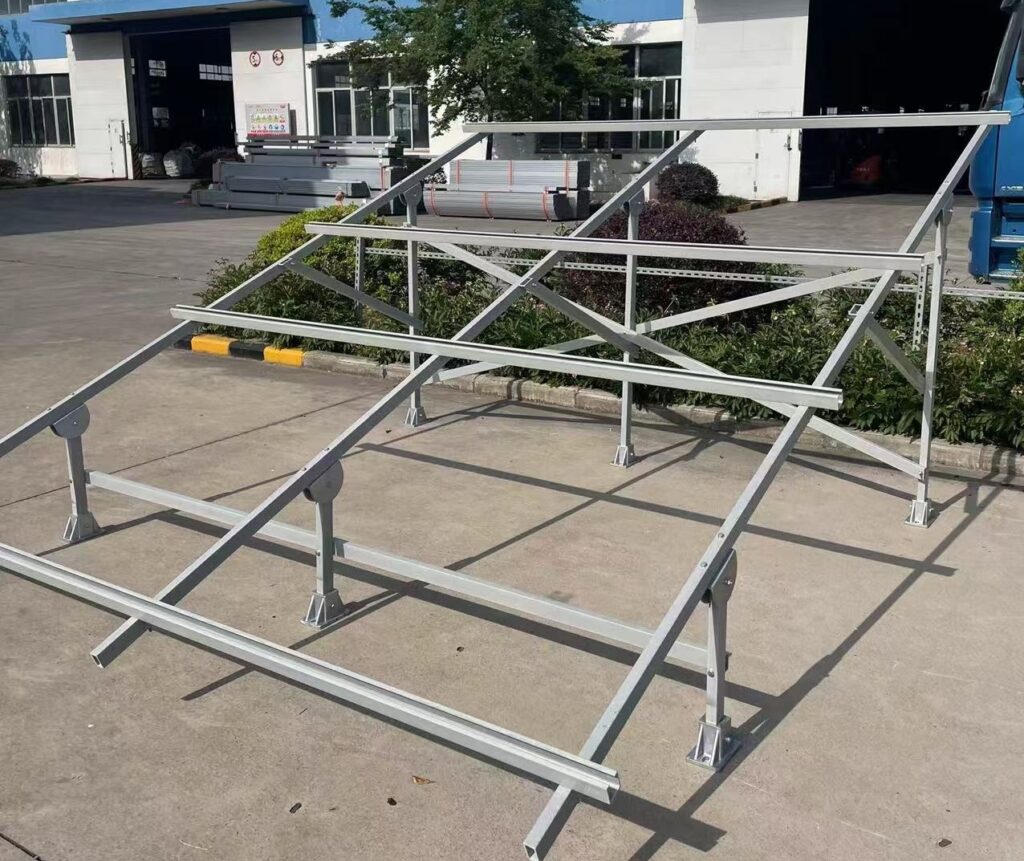
Key Selection Criteria:
Material Inherent Resistance: Avoid temporary solutions like coatings. Choose materials with built-in corrosion immunity
Salt Spray Performance: Demand 6000+ hours ASTM B117 testing validation
Maintenance Requirements: Prioritize zero-maintenance systems to avoid costly site visits
Total Cost Analysis: Evaluate 25-year ownership costs, not just initial price
Material Comparison:
Galvanized Steel: Requires frequent recoating, fails in 5-8 years in harsh conditions
Aluminum: Suffers from galvanic corrosion and pitting, especially in marine environments
FRP Composite solar racking: Offers permanent corrosion resistance with 6000+ hour salt spray performance
Economic Reality:
For a 100 MW coastal project, corrosion-resistant solar mounting saves $1.8M in maintenance and repairs over 25 years. The 35% total cost reduction justifies the initial investment premium.
Implementation Strategy:
Conduct thorough site corrosion risk assessment
Verify material certifications and test data
Plan for proper installation in challenging environments
Establish long-term performance monitoring
Proven Performance:
Our FRP solar support demonstrate:
Zero corrosion in 5+ years of coastal operation
100% structural integrity in salt-rich environments
Elimination of maintenance and recoating cycles
[Download our Corrosion Resistance Selection Guide] for detailed technical specifications and performance data. [Request Site-Specific Analysis] to ensure your project’s long-term success in any corrosive environment.